مجتمع متفرس
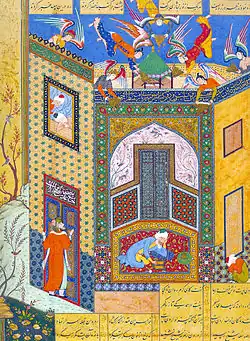
المُجتَمَعُ المُتَفَرس أو المُجتَمَعُ شِبهُ الفَارِسِي أو المُجتَمَعُ النَاطِقُ بِالفَارِسِية مُصطلحٌ يُشير إلى المُجتمع الذي يتبنَّى الثقافة والأدبيات والفُنُون واللُغة الفارسيَّة أو تأثر بها مُباشرةً.[1] وكانت هذه المُجتمعات نُخبة العالم الإسلامي وصفوته لقُرُون طوال.
وفي هذه المُجتمعات تبلورت لاحقًا ثقافاتٌ عدَّة كَالثقافتين التُركُفارسيَّة والهندوفارسيَّة وأثرت على ثقافات أُخرى كَالتُركُمغوليَّة والتُركُهنديَّة. وعلى أساسها قامت الدول والممالك مثل الدولة السامانيَّة والدولة الغزنويَّة وفي تلكُمُ المملكتين شرعت الثقافة الفارسيَّة بالازدهار وغيرُهُما الدولة البويهيَّة التي هيمنت على الخلافة العباسيَّة لِقرن ونصف من الزمن وخلفهُم في أمرهم السلاجقة وعلى الرَّغم من كون هؤلاء السلاجقة أتراكًا إلا أنهُم تبنَّوا الثقافة واللُغة الفارسيَّة.[2]
ومع تبنِّي الغُزاة والفاتحين للثقافة الفارسيَّة أصبحت كُل المُجتمعات المُمتدَّة من الديار الأناضوليَّة إلى الديار الهنديَّة مُتفرسة.[3] على الرغم من كون أُولئك الفاتحين من أعراقٍ شتَّى كَالعرب والتُرك والمغول. فكانت الدولة التيموريَّة والسلطنة الگُركانيَّة والدولة العثمانيَّة من أهم الممالك المُتفرسة في التاريخ الإسلامي.[4][5][6][7] استمرَّ هذا التراكُم الثقافي حتى ظهر جليًا لمَّا أقام الشاه إسماعيل الأول الدولة الصفويَّة في إيران لتنشأ ثقافة فارسيَّة نقيَّة تقوم على القيادة الشاهانيَّة والعقيدة الشيعيَّة والثقافة الفارسيَّة مع استمرار التأثير الثقافي على بقيَّة الأمم.[8]
الدول المُتفرسة
الممالك الغربيَّة
.jpg)
- الدولة السامانيَّة: أقامها أربعةُ إخوةٍ من ذُريَّة «سامان خُدا» ودام سُلطانها نحوَ قرنين من الزَّمن، توسَّعت من بلاد ما وراء النهر وخُراسان الكُبرى حتَّى ملكت آسيا الوسطى وأجزاءً من الديار الإيرانيَّة كانت عاصمتها سمرقند ثم بُخارى، وفي هذه البلاد عادت اللُغة والأدبيَّات الفارسيَّة لتزدهر مجددًا.[9]
- الدولة الصفاريَّة: أسَّسها الأمير «يعقوب الصفار» واستمرَّت زهاء مائة وخمسين سنة، خرجت الحملات الصفاريَّة من زرنج فملكت مُعظم الديار الإيرانيَّة وخُراسان الكُبرى وأقطارًا من بلاد الأفغان والطاجيك والأُزبك، وتُعدُّ من أوائل السُلالات الفارسيَّة الأصليَّة في العُصُور الإسلاميَّة. أعطى الأُمراء الصفاريون زخمًا لِلنهضة الفارسيَّة وفي عُهدتهم ظهر العديد من الشُعراء الفُرس اللَّامعين.[10][11]
- الدولة الغزنويَّة: أقامها السُلطان «سبكتكين» واستمرَّت لأكثر من قرنين من الزَّمن، حكمت في أقصى اتِّساعها من بلاد ما وراء النهر إلى وادي السند. كان سلاطينها من أصول تُركيَّة مملوكيَّة[12][13] إلا أنَّهُم أحبُّوا ورَعوا الثَّقافة الفارسيَّة حتى أضحى بلاطهم مقصد الكُتَّاب والشُّعراء الفُرس يُقدِمون عليهِم من كُل أنحاء المعمورة. هذا وفي عُهدتهم كُتبت الملحمة الفارسيَّة الشَّهيرة «الشاهنامه» على يد الفردوسي وكان لتلك الملحمة أعظم الأثر في إحياء اللغة الفارسيَّة وحفظها من الاندثار، كما يُعزى الفضل إلى الغزنويين في تصدير الثَّقافة الفارسيَّة إلى الهند.
- الدولة البويهيَّة: سُمِّيَت نسبةً إلى بني بُويه وهُم سُلالة من الديالمة الشيعة[14] هيمنوا على الخلافة العباسيَّة قُرابة مائة وعشرين سنة تقلَّدوا فيها «إمرة الأمراء» وقد شهد عهدهم ازدهارًا علميًا وثقافيًا عظيمًا واستقرارًا سياسيًا كبيرًا فوُضعت الكثير من المُؤلَّفات المُفيدة في مُختلف المجالات بِاللُّغات العربيَّة والفارسيَّة والسُّريانيَّة. وممَّا ميَّز هذا العصر أيضًا عن سابقه أنَّ الأُمراء البُويهيين تلقَّبوا بِألقابٍ ملكيَّة، لعلَّ أبرزها «ملك المُلُوك» (بالفارسيَّة: شاهنشاه)[15] لِتحسُّسهم بِقوميَّتهم الفارسيَّة فكان ذلكم الأمر إحياءً للتُراث الفارسي القديم.[16]
- الدولة السلجوقيَّة: تأسَّست الدولة على يد سُلالة السَّلاجقة، وهي سُلالة تركيَّة تنحدر من قبيلة قنق التي تنتمي بِدورها إلى مجموعة أتراك الأوغوز.[17][18] وعلى الرُّغم من كون هؤلاء أتراكًا إلا أنَّهُم حملوا الثَّقافة الإيرانيَّة وصبغوا دولتهم بالصَّبغة الفارسيَّة[19] وكان لهُم عظيمُ الأثر في تبلور الثَّقافة التُركُفارسيَّة كما أنَّهُم صدَّروا الثَّقافة الفارسيَّة إلى الأناضول.[20][21] وفي عُهدتهم استخدمت اللُغة الفارسيَّة في الكُتُب وخاصةً «مرايا الأمراء»، كما استخدم السَّلاطين السَّلاجقة لقب «ملك المُلُوك» مثل البويهيين، وفي هذا يتجلَّى التأثير الفارسي العميق.[22][23]
- الدولة الخوارزميَّة: أقامها «أنوشتكين غرجه» وحكمها السَّلاطين من ولده لأكثر من مائة وخمسين سنة[24] وكانت أُصُولُهُم تعود إلى التُّرك المماليك[25][26] فَكُتِبَت لهُم الدولة والسَّلطنة على آسيا الوسطى والديار الإيرانيَّة. حملت دولتُهم هويَّةً مُزدوجةً تُركُفارسيَّة فكانت التُّركيَّة هي اللُّغة الأُم لِلسَّلاطين والجُند وكانت الفارسيَّة لسان الديوان والوزراء، وبِصرف النَّظر عن أُصُول هؤلاء العرقيَّة تحتَّم عليهم أن يكونوا على دراية بِاللُّغة والثَّقافة الفارسيةَّ لكونها اللُّغة الرسميَّة للبلاد ولُغة الإدارة والتَّأريخ والشِّعر. وكانت الخوارزمشاهيَّة آخر دولةٍ تُركُفارسيَّة قبيل الغزو المغولي لِلعالم الإسلامي.[27]
- الدولة الإلخانيَّة: كانت في أول أمرها تابعة لِلخاقانيَّة المغوليَّة الكبرى واستقلَّت عقب الانقسام الذي طرأ على الخاقانيَّة، حكمها آل هولاكو وسُمُّوا بذلك تيمنًا بمؤسَّس هذه الدولة هولاكو خان فدام مُلكهم قُرابة قرنٍ من الزَّمن حكموا فيه كُلًّا من بلاد ما وراء النهر وآسيا الوسطى والقفقاز وفارس والعراق وأجزاءً من تُركيَّة. تأثَّر الإلخانات بالثَّقافة الفارسيَّة واعتنقوا الإسلام كما اعتبروا أنفُسهُم ورثةً لِمُلُوك الفُرس العظام واتَّخذوا من لسان الفُرس لُغةً رسميَّة لِلبلاد[28] وانبثقت بيروقراطيَّة إداريَّة من الفُرس ونُخبة علميَّة مؤثِّرة منهُم ممَّا عزَّز الملكيَّة الإيرانيَّة وإحياء ثقافةٍ إيرانيَّة نقيَّة خالصة.[29][30] وفي عُهدتهم ارتقت الفُنُون الفارسيَّة بِجميع أطيافها وازدهرت أدبياتُها ازدهارًا بالغ الأثر، أدَّى كُلُّ ذلك إلى تبلور مفهوم «الوطن الإيراني» الذي قُدِّر له القيام في القُرُون اللَّاحقة.[30][31][32]
انظُر أيضًا
المراجع
- ↑ Arjomand, Said Amir (2004). Studies on Persianate Societies (بالإنجليزية). Manohar Publishers & Distributors. ISBN:978-81-7304-667-4.
- ↑ Canfield, Robert (1991). Turko-Persia in historical perspective (بالإنجليزية). Cambridge University Press.
- ↑ Hodgson, Marshall G. S. (1974). The Venture of Islam (بالإنجليزية). University of Chicago Press.
- ↑ Özgündenli، O. "Persian Manuscripts in Ottoman and Modern Turkish Libraries". Encyclopaedia Iranica (ط. online). مؤرشف من الأصل في 2012-01-22. اطلع عليه بتاريخ 2006-12-19.
{{استشهاد بموسوعة}}: صيانة الاستشهاد: مسار غير صالح (link) - ↑ "Persian in service of the state: the role of Persophone historical writing in the development of an Ottoman imperial aesthetic"، Studies on Persianate Societies، ج. 2، 2004، ص. 145–63
- ↑ "Historiography. xi. Persian Historiography in the Ottoman Empire". Encyclopaedia Iranica. ج. 12, fasc. 4. 2004. ص. 403–11.
- ↑ Walter، F. "7. The Departure of Turkey from the 'Persianate' Musical Sphere". Music of the Ottoman court.
- ↑ Daftary, F. "Sectarian and National Movements in Iran, Khorasan, and Trasoxania during Umayyad and Early Abbasid Times". In M.S. Asimov; C.E. Bosworth (eds.). History of Civilizations of Central Asia. Vol. 4–1. UNESCO Publishing, Institute of Ismaili Studies.
- ↑ Bosworth، C. E. (1973). "The Heritage of Rulership in Early Islamic Iran and the Search for Dynastic Connections with the Past". Iran. ج. 11: 51–62. DOI:10.2307/4300484. ISSN:0578-6967. مؤرشف من الأصل في 2023-11-26.
- ↑ "الصفاريون".
- ↑ Dabashi, Hamid (2019). The Shahnameh: The Persian Epic in World Literature (بالإنجليزية). Columbia University Press. p. 41. ISBN:978-0231544948.
- ↑ Bosworth, C.E. (1963). The Ghaznavids: 994–1040. Edinburgh University Press.
- ↑ Levi, Scott Cameron; Sela, Ron, eds. (2010). Islamic Central Asia: an anthology of historical sources. Indiana University Press
- ↑ Pierre Vidal-Naquet (1996). The Jews. Internet Archive. Columbia University Press. ISBN:978-0-231-10208-7.
- ↑ Sajjadi, Sadeq; Asatryan, Mushegh; Melvin-Koushki, Matthew, eds. (2021). Būyids. Encyclopaedia Islamica (بالإنجليزية). Brill Publishers.
{{استشهاد بكتاب}}:|مؤلف=باسم عام (help)صيانة الاستشهاد: أسماء متعددة: قائمة المؤلفين (link) - ↑ محمد مسفر الزهراني. ظام الوزارة في الدولة العبَّاسيَّة 334-590هـ: العهدان البُويهي والسلجوقي (ط. 1st). بيروت: مؤسسة الرسالة.
{{استشهاد بكتاب}}: no-break space character في|ناشر=في مكان 7 (مساعدة) - ↑ أمة عظيمة من الترك، والأغز (أي تسعة بالتركية) وهو مأخود من عدد الأسر وقبائلهم المتفرقة، ظل الحكم في أيديهم في بلاد الترك حتى انتقل إلى الاويغور (إحدى قبائل الترك) سنة 128 هـ، وظل الحكم في أيديهم إلى عام 256 هـ، انظر: بارتولد: تاريخ الترك ودائرة المعارف الإسلامية: مجلد 5، ص 38-45
- ↑ أخبار الدول السَلْجُوقية، للحسين، ص 2-3
- ↑ Foundation, Encyclopaedia Iranica. "Welcome to Encyclopaedia Iranica". iranicaonline.org (بالإنجليزية الأمريكية). Archived from the original on 2025-03-08. Retrieved 2025-04-01.
- ↑ "The Turko-Persian tradition features Persian culture patronized by Turkic rulers." See Daniel Pipes: "The Event of Our Era: Former Soviet Muslim Republics Change the Middle East" in Michael Mandelbaum, "Central Asia and the World: Kazakhstan, Uzbekistan, Tajikistan, Kyrgyzstan, Turkemenistan and the World", Council on Foreign Relations, p. 79. Exact statement: "In Short, the Turko-Persian tradition featured Persian culture patronized by Turcophone rulers
- ↑ Bingham, Woodbridge, Hilary Conroy and Frank William Iklé, History of Asia, Vol.1, (Allyn and Bacon, 1964), 98.
- ↑ Green, Nile (2019). Green, Nile (ed.). The Persianate World: The Frontiers of a Eurasian Lingua Franca. University of California Press.
- ↑ Melville, Charles (14 May 2020). The Timurid Century: The Idea of Iran Vol.9 (بالإنجليزية). Bloomsbury Publishing. ISBN:978-1-83860-615-2.
- ↑ "Khwarezm-Shah Dynasty (Turkish dynasty) -- Encyclopedia Britannica". archive.ph. 1 سبتمبر 2013. اطلع عليه بتاريخ 2025-04-02.
- ↑ Bosworth، C. E. (1998). History of Civilizations of Central Asia. UNESCO. ص. 164. ISBN:978-92-3-103467-1. مؤرشف من الأصل في 2024-12-11.
Mahm ̄ud and Masc ̄ud I of Ghazna had appointed Turkish slave commanders from their own army, Altuntash and his sons, as governors there with the ancient title of Khwarazm Shah." (...) "In order to secure these important regions, Malik Sh ̄ah had appointed the keeper of the royal washing bowls (tast-d ̄ar), his slave commander An ̄ush-tegin Gharcha' ̄ı, as titular governor at least in Khwarazm. During Berkyaruk's reign, the sultan appointed in 1097 another Turkishghul ̄am, Ekinchi b. Kochkar, with the historic title of KhwarazmShah. When, in that same year, Ekinchi was killed, Berkyaruk nominated in his stead An ̄ushtegin's son Qutb al-D ̄ın Muhammad as governor, and Muhammad's tenure of power there (1097–1127) inaugurates the fourth and most brilliant line of hereditary KhwarazmShahs
- ↑ C. E. Bosworth : Khwarazmshahs i. Descendants of the line of Anuštigin. In Encyclopaedia Iranica, online ed., 2009: "Little specific is known about the internal functioning of the Khwarazmian state, but its bureaucracy, directed as it was by Persian officials, must have followed the Saljuq model." Norman M. Naimark, Genocide: A World History (دار نشر جامعة أكسفورد, 2017), 20 "The Persian-speaking and Islamic Khwarezmian empire, which was founded in Central Asia south of the Aral Sea around its capital of Samarkand, and included such remarkable centers of trade and civilizations as Bukhara and Urgench, ..."
- ↑ Vasilyeva, G.P (1969). Ethnic processes in origins of Turkmen people; Soviet Ethnography (بالإنجليزية). Nauka (Science). pp. 81–96.
- ↑ Fragner, Bert G (2006). Fragner, Bert G. (2006). "Ilkhanid Rule and Its Contributions to Iranian Political Culture". In Komaroff, Linda (ed.). Beyond the Legacy of Genghis Khan (بالإنجليزية). Brill. pp. 78–79. ISBN:9789004243408.
- ↑ Jackson, Peter (2017). The Mongols and the Islamic World: From Conquest to Conversion (بالإنجليزية). Yale University Press. pp. 412. ISBN:9780300227284.
- 1 2 Saïd Amir Arjomand (2022). Revolutions of the End of Time: Apocalypse, Revolution and Reaction in the Persianate World (بالإنجليزية). Brill. p. 34. ISBN:978-90-04-51715-8.
- ↑ Bloom, Jonathan; Blair, Sheila (14 May 2009). Grove Encyclopedia of Islamic Art & Architecture: Three-Volume Set (بالإنجليزية). OUP USA. ISBN:978-0-19-530991-1. Archived from the original on 2025-04-27.
- ↑ Francis Robinson. The Mughal Emperors and the Islamic Dynasties of India, Iran and Central Asia (بالإنجليزية). pp. 19, 36.