نواب دكا
نواب دكا (بالبنغالية : "ঢাকার নবাব") كان لقب رئيس أحد أكبر الزميندار المسلمين في البنغال البريطانية وآسام، ومقره في دكا الحالية، في بنغلاديش.[1] مُنح لقب نواب، وهو لقب مشابه للقب النبلاء البريطاني، إلى رئيس العائلة من الملكة فيكتوريا تقديرًا لولاء النواب الأول ومساهمته في أنشطة الرعاية الاجتماعية.
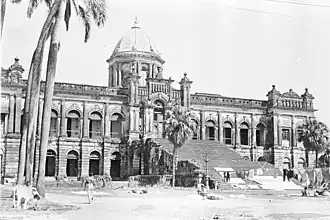
ورغم أن نواب دكا لم يكونوا حكامًا، فقد لعبوا دورًا أساسيًّا في السياسة في جنوب آسيا، والعلاقات مع الكيانات الخارجية. كانت العائلة مالكة لممتلكات دكا نواب، وكانت تجلس في قصر منزل إحسان. إن "نواب دكا" كان لقب رئيس العائلة منذ عام 1843. كان خواجة عليم الله أول من حصل على هذا اللقب، وكان خواجة عبد الغني أول نواب لدكا عندما جعلت الملكة فيكتوريا هذا اللقب وراثيًا.
لقد أدى الصراع الداخلي الكبير داخل عائلة النواب تدريجيًّا إلى انحدار التركة. في عام 1952، ألغى قانون الاستحواذ على العقارات في شرق باكستان نظام العقارات رسميًا. كان خواجة حبيب الله خان بهادور آخر نواب دكا الذي تولى هذا المنصب. وقد أدت الإصلاحات الزراعية المتعاقبة في باكستان وبنجلاديش إلى إنهاء ملكية الأراضي المتبقية لعائلة نواب.
التاريخ
.jpg)
كان نواب دكا من الأرستقراطيين الناطقين بالفارسية والأردية[2][3] الذين يعودون بأصولهم إلى تجار كشمير خان مغول الهند الذين وصلوا إلى البنغال المغولية في عهد السلطان محمد شاه لممارسة التجارة، ولكنهم استقروا في النهاية في مناطق دكا وسيلهيت وباكرجانج.[4][5][6][7][8] ويُعتبر المولوي خواجة عبد الله الكشميري، الذي انتقل من دلهي في أواخر العصر المغولي الهندي، أول رب أسرة في البنغال. بعد أن أسس عملاً تجاريًا ناجحًا في سيلهيت، دعا والده وشقيقه من كشمير.[4][6] وفي وقت لاحق، استقرت العائلة في دكا.[4]
تأسست عائلة دكا نواب رسميًا على يد خواجة حافظ الله كشميري نجل خواجة عبد الله كشميري، الذي اكتسب ثروة كبيرة من خلال التجارة في الجلود والذهب. وقد بنى ثروته على تجارة الجلود والتوابل والملح مع التجار اليونانيين والأرمن.[9] كما اشترى بعض العقارات الزميندارية المتعثرة، والتي كانت معروضة للبيع في كل مكان في البنغال بموجب التسوية الدائمة، ومصانع النيلي في منطقة باريسال ومنطقة ميمينسينغ.[9] وفي السنوات التالية، تزوجوا من عائلات مشهورة في المنطقة لتعزيز سيطرتهم على الأراضي المكتسبة حديثًا.[10]
استحوذ حافظ الله على أتييا بارجانا في مقاطعة ميمينسينغ السابقة (الموجودة حاليًا في مقاطعة تانجيل). اشترى حافظ الله حصة قدرها 4 آنا (ربع) من بارجانا، بما في ذلك دامراي، ومسجد أتيا الذي بني في عام 1608، ومعظم غابة مادوبور في عام 1806، بقوة سند رهن عقاري بقيمة 40 ألف روبية.[11] وقد دفعته الأرباح التي حققها من هذا الشراء إلى مواصلة شراء الأراضي والعقارات.[12] كما استحوذ على عليا بولهورجي (Aila Phuljhuri) في بكرغانج سندربنز (Bakarganj Sundarbans)، وهي أرض 44,000 أكر (180 كـم2) اشترى هذه المنطقة بمبلغ 21000 روبية في عام 1812، مع طلب إيرادات قدره 372 روبية فقط سنويًا. بعد مسح الغابة في أواخر سبعينيات القرن التاسع عشر، بلغ إجمالي دخل الإيجار المقدر 220.502 روبية.[13]
وبسبب عدم وجود أي خليفة ذكر على قيد الحياة لحافظ الله، انتقلت تركته بعد وفاته إلى ابن أخيه خواجة عليم الله،[14][15] نجل شقيقه الأكبر المتوفى أحسن الله، الذي أعده كمدير للتركة. تمت إضافة ممتلكاته العقارية إلى ممتلكات عمه، مما جعل الزمينداري المتحدة واحدة من أكبر المزارع في المقاطعة. قبل وفاته في عام 1854، أنشأ عليم الله وقفًا لوضع مُوحَّد للزمانداري والذي كان من المقرر إدارته بشكل مشترك من متولي.[13]

علم الأنساب المختصر
 |
 |
 |
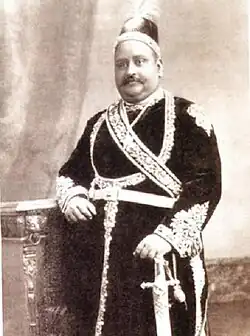 |
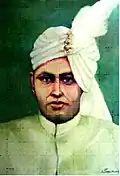 |
|
|---|---|---|---|---|---|
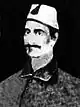
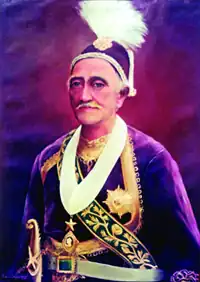
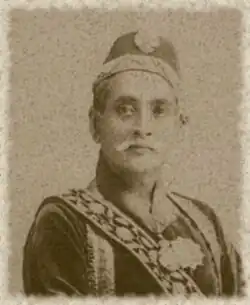
| خواجة عليم الله | خواجة عبد الغني | خواجة أحسن الله | خواجة سليم الله | خواجة حبيب الله |
أعضاء بارزون آخرون في العائلة
- خان بهادور خواجة م. أعظم - سياسي.
- خان بهادور خواجة إسماعيل ذبيح - سياسي.
- خواجة نور الدين - سياسي وصحفي ومالك صحيفة يمينية باللغة الإنجليزية تصدر من دكا، صحيفة مورنينج نيوز (صحيفة بنغلاديشية)
- سيد خواجة خير الدين - سياسي وعمدة دكا. رئيس رابطة مسلمي شرق باكستان.
- خواجة محمد قيصر - دبلوماسي.
- بيجوم شمس النهار خواجة أحسن الله ، زوجة نواب زاده خواجة أحسن الله (الابن الأصغر لنواب سليم الله )، الزعيم السابق للحزب الوطني البنغلاديشي ، عضو البرلمان السابق عن الحزب الوطني البنغلاديشي (1991-1995)،[16] 1996،[17] 2001-2006[18]
- خواجة نظيم الدين - سياسي ورئيس وزراء باكستان.
- خواجة شهاب الدين - سياسي ووزير الداخلية الباكستاني ووزير الإعلام والإذاعة وحاكم الحدود الشمالية الغربية.
قصور النواب
- قصر أحسن منزل
- قصر إسرات منزل
- قصر نيشات منزل
- منزل حديقة شاهباغ
- بيت حديقة ديلكوشا
- بيت حديقة باريباغ
- حديقة بايجونباري
- شركة باغان
- فرحات منزل
- حافظ منزل
- نيلكوتي موجيبناجار
- قلعة المنصور
طالع أيضًا
ملحوظات
- ↑ Alamgir، Mohammad. "Nawab Family of Dhaka". en.banglapedia.org. بنغلابيديا. مؤرشف من الأصل في 2024-09-14. اطلع عليه بتاريخ 2021-09-01.
- ↑ P. K. Bandyopadhyay (2004). The Bangladesh Dichotomy and Politicisation of Culture. B.R. Publishing Corporation. ص. 82. ISBN:978-81-7646-425-3. مؤرشف من الأصل في 2023-06-02.
Nawab Abdul Latif was forthright in his analysis: Urdu is the mother tongue of the Ashraf (the elite class) and Bengali is the mother tongue of the Athraf (the commoners)... The Nawab family of Dhaka, the Suhrawardy family of Midnapur, the Nawab family of Shaistabad in Bakerganj all spoke in Urdu...
- ↑ Shibani Kinkar Chaube (26 أكتوبر 2016). The Idea of Nation and Its Future in India. Taylor & Francis. ص. 123. ISBN:978-1-315-41432-4. مؤرشف من الأصل في 2023-04-06.
Urdu was never spoken in Bengal except by the immigrant Muslims in Calcutta and the Murshidabad and Dhaka nawab families.
- 1 2 3 Khan، Muhammad Mojlum (2013). The Muslim Heritage of Bengal: The Lives, Thoughts and Achievements of Great Muslim Scholars, Writers and Reformers of Bangladesh and West Bengal. Kube Publishing. ص. 104, 157, 160, 309. ISBN:978-1-84774-062-5. مؤرشف من الأصل في 2023-04-06.
Nawab Bahadur Sir Khwajah Abdul Ghani Miah, also known as Ghani Miah (Gunny Meah) for short, was bom into a wealthy and prominent Muslim family that traced its origin all the way back to Persia... Nawab Sir Ahsanullah Khan Bahadur was thus born in Dhaka into one of the wealthiest and famous Muslim families of East Bengal. His grandfather, Khwajah Alimullah, and father, Nawab Sir Abdul Ghani, traced their family history back to Kashmir... the founder of this family was Maulvi Abdullah who came to India during the time of Emperor Muhammad Shah... Maulvi Abdullah left Delhi and settled in Sylhet... Thereafter, he invited his father and brother to come to Sylhet from Kashmir... Maulvi Abdullah, the founder of the Nawab family, hailed from Kashmir and moved to Delhi during the reign of the Moghul Emperor, Muhammad Shah, in search of fame and fortune... Salimullah's ancestors were originally Kashmiri merchants who came to East Bengal during the mid-eighteenth century to pursue trade and eventually they settled in the districts of Dhaka, Sylhet and Bakerganj...
- ↑ Hundred Years of Bangabhaban, 1905-2005. Press Wing Bangabhaban. 2006. ص. 20. ISBN:978-984-32-1583-3. مؤرشف من الأصل في 2023-06-02.
It was at this time that a recently settled Muslim trading family of the city of Dhaka, originally from Kashmir, gave up trade and invested their wealth in buying land from the auctions. The founder of this Kashmiri Muslim family in Dhaka was Khwaja Alimullah.
- 1 2 Dani، Ahmad Hasan (1962) [First published 1956]. Dacca: A Record of Its Changing Fortunes (ط. 2nd). Mrs. Safiya S. Dani. ص. 118. OCLC:987755973. مؤرشف من الأصل في 2023-04-15.
Khwaja Alimullah came forward ... his family rose to the premier position in Dacca. This family has no connection with the old Muslim rulers of this province. It takes its origin from the Kashmiri family of Khwaja Abdul Hakim, who migrated to Sylhet and started his business ... Khwaja Hakim's one brother, Maulvi Abdullah, moved to Dacca, and from him issued the present Dacca family. Khwaja Alimullah was his grandson, who purchased the French Factory in about 1838.
- ↑ Sharif Uddin Ahmed (12 يناير 2018). Dacca: A Study in Urban History and Development. Routledge. ص. 18. ISBN:978-1-351-18673-5. مؤرشف من الأصل في 2023-04-06.
It was the Sunnis who from the early nineteenth century gradually came to dominate the Muslim community in Dhaka, and one of them, Khwaja Alimullah, a Kashmiri trader turned zamindar, became one of Dacca's most wealthy and influential citizens...
- ↑ Alex Newton؛ Betsy Wagenhauser؛ Jon Murray (1996). Bangladesh: A Lonely Planet Travel Survival Kit. Lonely Planet Publications. ص. 113. ISBN:978-0-86442-296-5. مؤرشف من الأصل في 2023-04-06.
Nawab Abdul Ghani Nawab Ghani, born in 1830 of Kashmiri descent, was the most influential person in East Bengal in the last half of the 19th century.
- 1 2 Akbar، M Ali. "Dhaka Nawab Estate". Banglapedia. مؤرشف من الأصل في 2025-01-26. اطلع عليه بتاريخ 2017-12-02.
- ↑ Chatterji, Joya. (1994). Bengal divided : Hindu communalism and partition, 1932-1947. Cambridge [England]: Cambridge University Press. ص. 79. ISBN:0-521-41128-9. OCLC:28710875.
- ↑ Protection of heritage نسخة محفوظة 3 January 2007 على موقع واي باك مشين.: Judicial response in South Asia by Taslima Islam
- ↑ "Indian Hemp Drugs Commission Report - Note by Mr. G. A. Grierson". www.druglibrary.org. مؤرشف من الأصل في 2024-11-13. اطلع عليه بتاريخ 2018-01-04.
- 1 2 Akbar، M Ali. "Dhaka Nawab Estate". Banglapedia. مؤرشف من الأصل في 2025-01-26. اطلع عليه بتاريخ 2017-12-02.Akbar, M Ali. "Dhaka Nawab Estate". Banglapedia. Retrieved 2 December 2017.
- ↑ Hundred Years of Bangabhaban, 1905-2005. Press Wing Bangabhaban. 2006. ص. 20. ISBN:978-984-32-1583-3. مؤرشف من الأصل في 2023-06-02.
It was at this time that a recently settled Muslim trading family of the city of Dhaka, originally from Kashmir, gave up trade and invested their wealth in buying land from the auctions. The founder of this Kashmiri Muslim family in Dhaka was Khwaja Alimullah.
Hundred Years of Bangabhaban, 1905-2005. Press Wing Bangabhaban. 2006. p. 20. ISBN 978-984-32-1583-3.It was at this time that a recently settled Muslim trading family of the city of Dhaka, originally from Kashmir, gave up trade and invested their wealth in buying land from the auctions. The founder of this Kashmiri Muslim family in Dhaka was Khwaja Alimullah.
- ↑ Sharif Uddin Ahmed (12 يناير 2018). Dacca: A Study in Urban History and Development. Routledge. ص. 18. ISBN:978-1-351-18673-5. مؤرشف من الأصل في 2023-04-06.
It was the Sunnis who from the early nineteenth century gradually came to dominate the Muslim community in Dhaka, and one of them, Khwaja Alimullah, a Kashmiri trader turned zamindar, became one of Dacca's most wealthy and influential citizens...
Sharif Uddin Ahmed (12 January 2018). Dacca: A Study in Urban History and Development. Routledge. p. 18. ISBN 978-1-351-18673-5.It was the Sunnis who from the early nineteenth century gradually came to dominate the Muslim community in Dhaka, and one of them, Khwaja Alimullah, a Kashmiri trader turned zamindar, became one of Dacca's most wealthy and influential citizens...
- ↑ "List of 5th Parliament Members". Bangladesh Parliament. مؤرشف من الأصل في 2023-10-05. اطلع عليه بتاريخ 2016-12-02.
- ↑ "List of 6th Parliament Members". Bangladesh Parliament. مؤرشف من الأصل في 2023-10-11. اطلع عليه بتاريخ 2016-12-02.
- ↑ "Bangladesh Affairs – Member's of 8th Parliament of Bangladesh". bdaffairs.com. مؤرشف من الأصل في 2016-10-26. اطلع عليه بتاريخ 2016-12-02.
مراجع
- غوش، لوكناث ، التاريخ الحديث للزعماء الهنود والراجا والزاميندرز ، كلكتا، 1879
- باك لاند، كونيتيكت ، مخططات للحياة الاجتماعية في الهند ، لندن، 1884
- تشاترجي، جويا (2002) [نشرت لأول مرة عام 1994]. البنغال المنقسمة: الطائفية الهندوسية والتقسيم، 1932-1947. مطبعة جامعة كامبريدج. ص. 80.(ردمك 978-0-521-52328-8)رقم ISBN 978-0-521-52328-8 .
روابط خارجية
- الموقع الرسمي لعائلة دكا نواب
- Akbar، M Ali (2012). "Dhaka Nawab Estate". في Islam، Sirajul؛ Jamal، Ahmed A. (المحررون). Banglapedia: National Encyclopedia of Bangladesh (ط. Second). الجمعية الآسيوية في بنغلاديش.
- الجالية اليهودية في بغداد