إسلام النفط
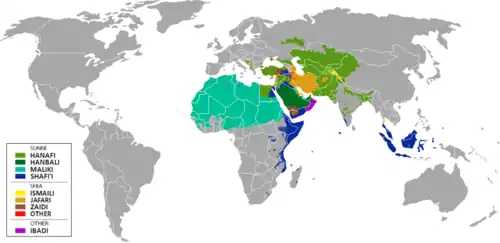
إسلام النفط أو البترو-إسلام هو مصطلح يستخدم لوصف التأثير الديني والسياسي الذي مارسته المملكة العربية السعودية (ودول الخليج الأخرى)،[3] على العالم الإسلامي بعد الطفرة النفطية في السبعينات. يشير المصطلح إلى استخدام الثروة النفطية لنشر النسخة الوهابية أو السلفية من الإسلام في أنحاء مختلفة من العالم الإسلامي.[4] استخدامت المملكة العربية السعودية الموارد من النفط «لإظهار نفسها كلاعب رئيسي في العالم الإسلامي»، عبر توزيع مبالغ كبيرة من المال من مصادر عامة وخاصة في المملكة العربية السعودية لتعزيز العقائد الوهابية ومتابعة السياسة الخارجية السعودية.[5] تُعد الجهود السعودية في العقود التي تلت الطفرة النفطية أكبر حملة دعائية دينية في التاريخ، حيث أنفقت المملكة ما بين 70 إلى 100 مليار دولار على نشر الإسلام الوهابي عالميًا. شمل ذلك بناء أكثر من 1500 مسجد، وتمويل 2000 مدرسة، وطباعة 300 مليون مصحف، إضافة إلى آلاف المنح الدراسية. في عام 1960، كان عدد المسلمين الوهابي خارج السعودية محدودًا، لكن بحلول أوائل الألفية أصبحت الوهابية حاضرةً في أكثر من 80 دولة عبر مؤسسات ممولة سعوديًا.[6][7] واجهت حملة «إسلام النفط» انتقادات من مسلمين في شتى أنحاء العالم، إذ اعتُبرت أداة لفرض نمط ديني واحد يُقصي التقاليد الإسلامية المحلية، ويُضعف التعددية الثقافية والمذهبية، خصوصًا في أفريقيا وجنوب آسيا. وقد أشار جيل كيبل إلى أن هذا النموذج الدعوي أدى إلى تفكك الهويات الإسلامية المحلية وخلق احتكاكات داخلية بين المسلمين أنفسهم.[8]
أصل المصطلح
ظهر مصطلح «إسلام النفط» (Petro-Islam) في سبعينيات القرن العشرين، لوصف العلاقة بين الثروة النفطية السعودية وصعود نموذج ديني متشدد تم تصديره إلى العالم الإسلامي. فقد استُخدمت عائدات النفط بعد عام 1973 لنشر النسخة الوهابية من الإسلام، كوسيلة لتعزيز النفوذ الديني والسياسي السعودي عالميًا.[9]
الخلفية التاريخية: من الطفرة النفطية إلى تصدير النفوذ الديني
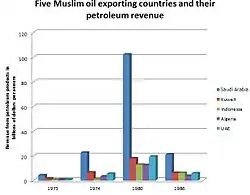
بدأت ملامح «إسلام النفط» تتشكل في أوائل السبعينيات، عندما شكّلت أزمة النفط العالمية عام 1973 نقطة تحول مفصلية في تاريخ المملكة العربية السعودية ودورها في العالم الإسلامي. فقد قررت الدول العربية المنتجة للنفط، بقيادة السعودية، فرض حظر نفطي على الدول الغربية الداعمة لإسرائيل أثناء حرب أكتوبر، مما أدى إلى ارتفاع أسعار النفط أربعة أضعاف خلال أشهر قليلة. هذه القفزة الهائلة في العائدات منحت السعودية ثروة غير مسبوقة، مكّنتها من التوسع في الداخل، وبسط نفوذها في الخارج.[10][11]
في تلك الفترة، كانت المملكة تبحث عن أدوات لتعزيز شرعيتها السياسية والدينية في مواجهة تيارات فكرية منافسة، كالقومية العربية، والاشتراكية، والإسلام السياسي الثوري، الذي بدأ يكتسب زخماً في عدة دول إسلامية. ثم جاءت الثورة الإيرانية عام 1979 لتشكّل تحديًا إضافيًا، حيث طرحت طهران نفسها كمركز بديل لقيادة العالم الإسلامي، لكن من منظور شيعي. هذا التنافس الإقليمي على الزعامة الإسلامية حفّز السعودية على استخدام أدوات القوة الناعمة، عبر نشر نموذجها الديني السلفي الوهابي، الذي يمثل ركيزة تحالفها السياسي بين المؤسسة الملكية والمؤسسة الدينية منذ تأسيس الدولة السعودية الثالثة.[12][13]
من هنا، انطلقت السعودية في مشروع عالمي واسع لتصدير نموذجها الديني، مستخدمة العائدات النفطية لتمويل بناء المساجد، وطباعة الكتب، ودعم الجمعيات الإسلامية، وتقديم المنح الدراسية لطلاب الشريعة من أنحاء العالم الإسلامي. هذا المشروع لم يكن مجرد دعوة دينية، بل كان جزءًا من استراتيجية شاملة لتعزيز النفوذ الجيوسياسي للمملكة ومواجهة التحديات الفكرية والسياسية في محيطها الإقليمي والعالمي.[14][15]
الانتقادات والآثار الجانبية
واجه «إسلام النفط» انتقادات متعددة من باحثين ومفكرين ومسلمين محليين في عدة دول:
- تهميش التنوع الإسلامي: فقد ساهم الخطاب السلفي في تقليص دور المذاهب الفقهية والتربية الروحية مثل التصوف، الذي كان راسخًا في أفريقيا وجنوب آسيا.[16]
- نشر الفكر الإقصائي: تم توثيق حالات عديدة تم فيها الترويج لخطاب ديني يصنف المسلمين الآخرين كمبتدعة أو ضالين، مما ساهم في تعزيز الطائفية والانقسامات الداخلية.[8]
- الارتباط بالتشدد الديني: تشير تقارير استخباراتية ودراسات أكاديمية إلى أن بعض الأفراد والجماعات التي تأثرت بالفكر السلفي الوهابي دعمت لاحقًا الحركات الجهادية المسلحة، أو ساهمت في خلق بيئات فكرية مهيأة للتطرف.[17]
- التأثير السلبي على الأقليات المسلمة في الغرب: في أوروبا وأمريكا، ساهم تمويل المساجد والمراكز مع الخطاب المتطرف من قبل السعودية في خلق صورة عن الإسلام على أنه متشدد ومنغلق، ما زاد من حدة الإسلاموفوبيا وأضعف جهود الاندماج.[18]
تراجع النفوذ منذ الألفية الجديدة
مع بداية القرن الحادي والعشرين، وخاصة بعد هجمات 11 سبتمبر 2001، تعرضت السعودية لضغوط دولية بسبب ارتباط بعض منفذي الهجمات بالفكر السلفي الوهابي. بدأت المملكة بمراجعة بعض سياساتها الدينية في عهد الملك عبد الله، وتسارعت هذه المراجعات في عهد ولي العهد محمد بن سلمان، الذي تبنّى خطابًا إصلاحيًا يبتعد عن الصيغة التقليدية للوهابية.
وقد أشار باحثون إلى أن هذه التحولات قد تؤدي إلى تراجع تدريجي وربما اختفاء الوهابية كإيديولوجيا رسمية للدولة، خصوصًا في ظل توجه القيادة الحالية نحو خطاب «الإسلام المعتدل» والانفتاح الثقافي. يرى بعض الباحثين أن التحالف التاريخي بين المؤسسة الدينية والدولة يمر بمرحلة «تفكك فعلي»، مع تهميش متزايد للعلماء التقليديين في الحياة العامة، فيما وصف آخرون المشروع الإصلاحي بأنه «قاطع جذور الوهابية».[19][20]
المراجع
- ↑ Jurisprudence and Law – Islam Reorienting the Veil, University of North Carolina (2009) نسخة محفوظة 2025-06-02 على موقع واي باك مشين.
- ↑ Daryl Champion (2002), The Paradoxical Kingdom: Saudi Arabia and the Momentum of Reform, Columbia University Press, (ردمك 978-0-231-12814-8), p. 23 footnote 7
- ↑ Al-Azm، Sadiq (14 سبتمبر 2009). "The Fight over the Meaning of Islam". 14.09.2009. qantara.de. مؤرشف من الأصل في 2022-12-06. اطلع عليه بتاريخ 2014-03-26.
... "official state Islam". The most prominent form of this kind of Islam at present is the "petro-Islam" of countries like Saudi Arabia and Iran, fully funded and supported all over the world by abundant petro-dollars.
- ↑ Musa، Mohd Faizal (2018). "The Riyal and Ringgit of Petro-Islam: Investing Salafism in Education". في Saat، Norshahril (المحرر). Islam in Southeast Asia: Negotiating Modernity. سنغافورة: ISEAS Publishing. ص. 63–88. DOI:10.1355/9789814818001-006. ISBN:9789814818001. S2CID:159438333.
- ↑ Hussain، Hamid (سبتمبر 2004). "Politicization of Islam or Islamization of Politics: Saudi Arabian Experiment". Defense Journal of Pakistan. ج. 8 ع. 2: 104. مؤرشف من الأصل في 2024-05-09.
Saudis have used their resources; mainly cash to project itself as a major player in Muslim world. Fouad Ajami has named this phenomenon `Petro-Islam`. Large sums of money from public and private sources were distributed all around the globe to advance the muwwahhidin doctrine and pursue the country's foreign policy
- ↑ Kepel، Gilles (2006). Jihad: The Trail of Political Islam. I.B. Tauris. ص. 72. ISBN:9781845112578. مؤرشف من الأصل في 2023-10-13.
founded in 1962 as a counterweight to Nasser's propaganda, opened new offices in every area of the world where Muslims lived. The league played a pioneering role in supporting Islamic associations, mosques, and investment plans for the future. In addition, the Saudi ministry for religious affairs printed and distributed millions of Korans free of charge, along with Wahhabite doctrinal texts, among the world's mosques, from the African plains to the rice paddies of Indonesia and the Muslim immigrant high-rise housing projects of European cities. For the first time in fourteen centuries, the same books .... could be found from one end of the Umma to the other... hewed to the same doctrinal line and excluded other currents of thought that had formerly been part of a more pluralistic Islam.
- ↑ Kepel، Gilles (2006). Jihad: The Trail of Political Islam. I.B. Tauris. ص. 73. ISBN:9781845112578. مؤرشف من الأصل في 2023-10-13.
Tapping the financial circuits of the Gulf to finance a mosque usually began with private initiative. An adhoc association would prepare a dossier to justify a given investment, usually citing the need felt by locals for a spiritual center. They would then seek a `recommendation` (tazkiya) from the local office of the Muslim World League to a generous donor within the kingdom or one of the emirates. This procedure was much criticised over the years ... The Saudi leadership's hope was that these new mosques would produce new sympathizers for the Wahhabite persuasion.
- 1 2 Gilles Kepel, Jihad: The Trail of Political Islam, Belknap Press, 2003.
- ↑ Wagemakers، Joas (2021). "Part 3: Fundamentalisms and Extremists – The Citadel of Salafism". في Cusack، Carole M.؛ Upal، M. Afzal (المحررون). Handbook of Islamic Sects and Movements. Brill Handbooks on Contemporary Religion. ليدن and بوسطن: دار بريل للنشر. ج. 21. ص. 333–347. DOI:10.1163/9789004435544_019. ISBN:978-90-04-43554-4. ISSN:1874-6691.
- ↑ Abu-Rabi?، Ibrahim M. (1996). Intellectual Origins of Islamic Resurgence in the Modern Arab World. NY: SUNY Press. ص. 48. ISBN:9780791426630. مؤرشف من الأصل في 2024-05-09.
[quoting Fouad Zakariyya ("a secular democratic thinker")]`A specific type of Islam has been gathering momentum of late, and the appropriate name that applies to it is `Petro-Islam.` The first and last goal of `Petro-Islam` has been to protect the petroleum wealth or, more correctly, the types of social relations underlying those [tribal] societies that possess the lion's share of this wealth. It is common knowledge that the principle of the `few dominating the largest portion of this wealth` permeates the social structure [of the Gulf region]. ... these petro-Islamites are exploiting the religious sensitivities of the masses for the purpose of `spreading a unique brand of Islam never seen before in history; the Islam of the veil, beard, and the Jilbab; the Islam that permits the stoppage of work during prayers' time, and prohibits women from driving automobiles.`
- ↑ Kepel، Gilles (2006). "Building Petro-Islam on the Ruins of Arab Nationalism". Jihad: The Trail of Political Islam. I.B. Tauris. ص. 61–2. ISBN:9781845112578.
"the financial clout of Saudi Arabia... had been amply demonstrated during the oil embargo against the United States, following the Arab-Israeli war of 1973. This show of international power, along with the nation's astronomical increase in wealth, allowed Saudi Arabia's puritanical, conservative Wahhabite faction to attain a preeminent position of strength in the global expression of Islam. Saudi Arabia's impact on Muslims throughout the world was less visible than that of Khomeini's Iran, but the effect was deeper and more enduring. The kingdom seized the initiative from progressive nationalism, which had dominated the 1960s, it reorganized the religious landscape by promoting those associations and ulemas who followed its lead, and then, by injecting substantial amounts of money into Islamic interests of all sorts, it won over many more converts. Above all, the Saudis raised a new standard -- the virtuous Islamic civilization -- as a foil for the corrupting influence of the West ...
- ↑ GWERTZMaAN، BERNARD (23 أكتوبر 1977). "Saudi Arabia, Mideast Power Broker". New York Times.
... the United States will again be underscoring the importance it attaches to Saudi Arabia's role as a power broker in the Middle East, the driving force that one Egyptian writer calls `Petro-Islam.` ... astute behind-the-scenes diplomatic activity has made Saudi Arabia a kind of fledgling power, not only in the الشرق الأوسط, but further afield.
- ↑ ʻAẓmah، ʻAzīz (1993). Islams and Modernities. Verso. ص. 32.
Islamic discourse ... started in the 1950s and 1960s, as a local Arab purveyance of the Truman Doctrine, and was sustained initially by Egyptian and Syrian Islamists -- both earnest ones, and socially conservative, pro-Saudi business and other elements opposed to Nasserism and Baathism. This was indeed the first great cultural and ideological enterprise of Petro-Islam, along with ideas of pan-Islamism as a force counterbalancing Arab nationalism, and Islamic authenticity combating `alien` ideologies.
The Petro-Islamic enterprises has been hugely successful, especially with the substantial influx of the Arab intelligentsia to the relatively backward countries of the Arabian Peninsula, and the colossal ensemble of mediatic and other cultural organs that Petro-Islam has built up, and with which, most importantly, it has broken the secularist and nationalist cultural, mediatic and, to a lesser extent, the educational monopoly of the modern Arab state. - ↑ Kepel، Gilles (2003). Jihad: The Trail of Political Islam. I.B.Tauris. ص. 70. ISBN:9781845112578. مؤرشف من الأصل في 2023-04-03.
Prior to 1973, Islam was everywhere dominated by national or local traditions rooted in the piety of the common people, with clerics from the different schools of Sunni religious law established in all major regions of the Muslim world (Hanafite in the Turkish zones of South Asia, Malakite in Africa, Shafeite in Southeast Asia), along with their Shiite counterparts. This motley establishment held Saudi inspired puritanism in great suspicion on account of its sectarian character. However, after 1973, the oil-rich Wahhabites found themselves in a different economic position, being able to mount a wide-ranging campaign of proselytizing among the Sunnis. (The Shiites, whom the Sunnis considered heretics, remained outside the movement.) The objective was to bring Islam to the forefront of the international scene, to substitute it for the various discredited nationalist movements, and to refine the multitude of voices within the religion down to the single creed of the masters of Mecca. The Saudis' zeal now embraced the entire world... [and in the West] immigrant Muslim populations were their special target."
- ↑ Gilles Kepel and Nazih N. Ayubi both use the term Petro-Islam, but others subscribe to this view as well, example: Sayeed، Khalid B. (1995). Western Dominance and Political Islam: Challenge and Response. SUNY Press. ص. 95. ISBN:9780791422656. مؤرشف من الأصل في 2023-10-20.
- ↑ Hamid Algar, Wahhabism: A Critical Essay, Islamic Publications International, 2002.
- ↑ Stéphane Lacroix, Awakening Islam: The Politics of Religious Dissent in Contemporary Saudi Arabia, Harvard University Press, 2011.
- ↑ (quoted in Lifting the Veil: The World of Muslim Women)Goodwin، Jan (1994). Price of Honour: Muslim Women Lift the Veil of Silence on the Islamic World. Warner Books.
Very few Muslim countries have given women their full rights, and both Islamic law and the message of Islam have been violated. But today, petro-Islam with its vast amounts of money is letting loose on the Islamic world a wave of fundamentalism. The movement, largely funded by the Saudis and Kuwaitis, is pushing a doctrine that is anti-women, anti-intellectual, anti-progress, and anti-science.
- ↑ Madawi Al-Rasheed, The Son King: Reform and Repression in Saudi Arabia, Oxford University Press, 2020.
- ↑ Stéphane Lacroix, Saudi Arabia’s Religious Reforms: Quiet Change, or Harbinger of Something Bigger?, Carnegie Endowment, 2019.